Title or Keyword
Author
Year
The hundreds of billions of pesos lost to flood control corruption have deprived the Philippines of protection and productivity—but not, as commonly believed, by “stealing taxpayers’ money.” The authors argue that public misunderstanding of how government finance actually works has done as much damage to development as corruption itself. Pesos, they explain, are not funded by taxes but created by fiat and constrained only by the supply of real resources.
While the flood control scandal has provoked outrage, the economy has remained stable—suggesting that the problem lies not in fiscal collapse but in persistent underinvestment driven by fear of overspending. Lawmakers’ calls to cut budgets or declare tax holidays, though politically popular, reflect dangerous misconceptions about public finance.
The paper contends that corruption, though immoral, is not the sole barrier to prosperity. Countries like Panama, Mexico, and Thailand have achieved higher incomes despite comparable or worse levels of corruption. The true obstacle is the Philippines’ timid economic policy and chronic underinvestment in public goods.
Ultimately, the “possibly good” lies in realizing that development does not hinge solely on eradicating graft but on understanding the real nature of a sovereign currency. Taxes do not fund spending—they regulate demand. With this understanding, the authors urge a national strategy based on productivity, industrialization, and bold public investment to build a prosperous, corruption-intolerant middle class.
2017
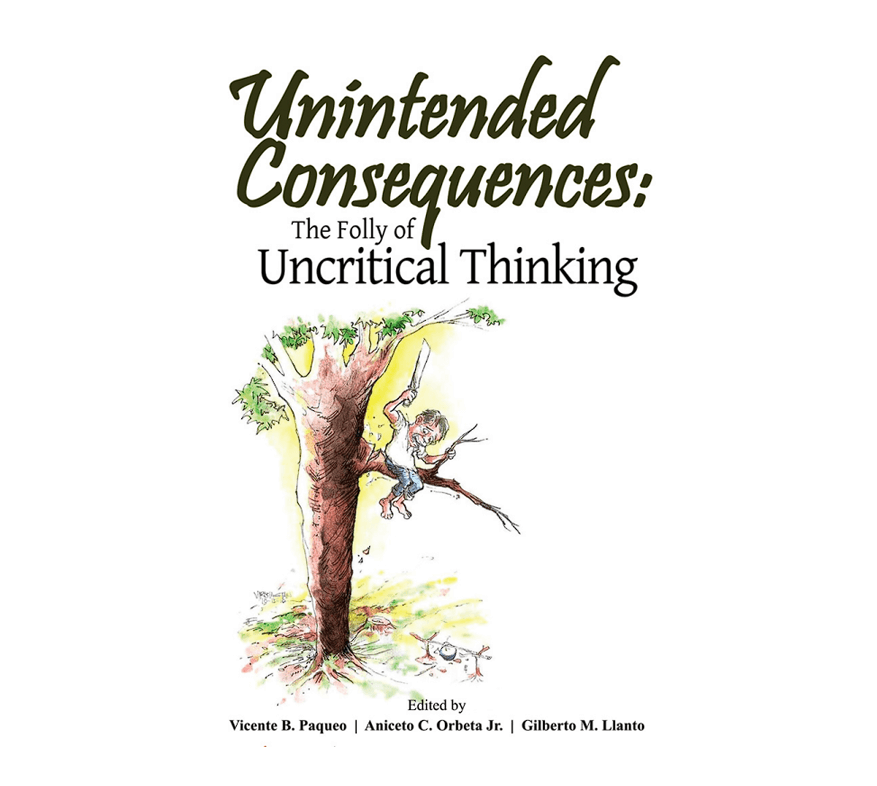
Edited by Vicente Paqueo, Aniceto Orbeta, and Gilberto Llanto
The topics covered in this book range from daily concerns like traffic, food, salary, rent to larger industry and environmental concerns like overfishing and logging. The book also tackles controversial topics like sex education, the minimum wage, conditional cash transfer, and unemployment.
Speech and Presentation during the 3 August 2015 Forum on Aquino’s last mile: Ramping up and sustaining ‘Daang Matuwid’ at the AIM Conference Center Makati City.
The World Bank expects the Philippine economy to grow at 6.5 percent in 2015 and 2016 despite a weak global economy. Sustaining this level of high growth and making it inclusive over the long term will enable the country to eradicate poverty and boost shared prosperity within a generation.
This policy brief provides an overview of the mining industry and obstacles to its further development, along with eight (8) recommendations that should be considered by Philippine policy makers.
2014
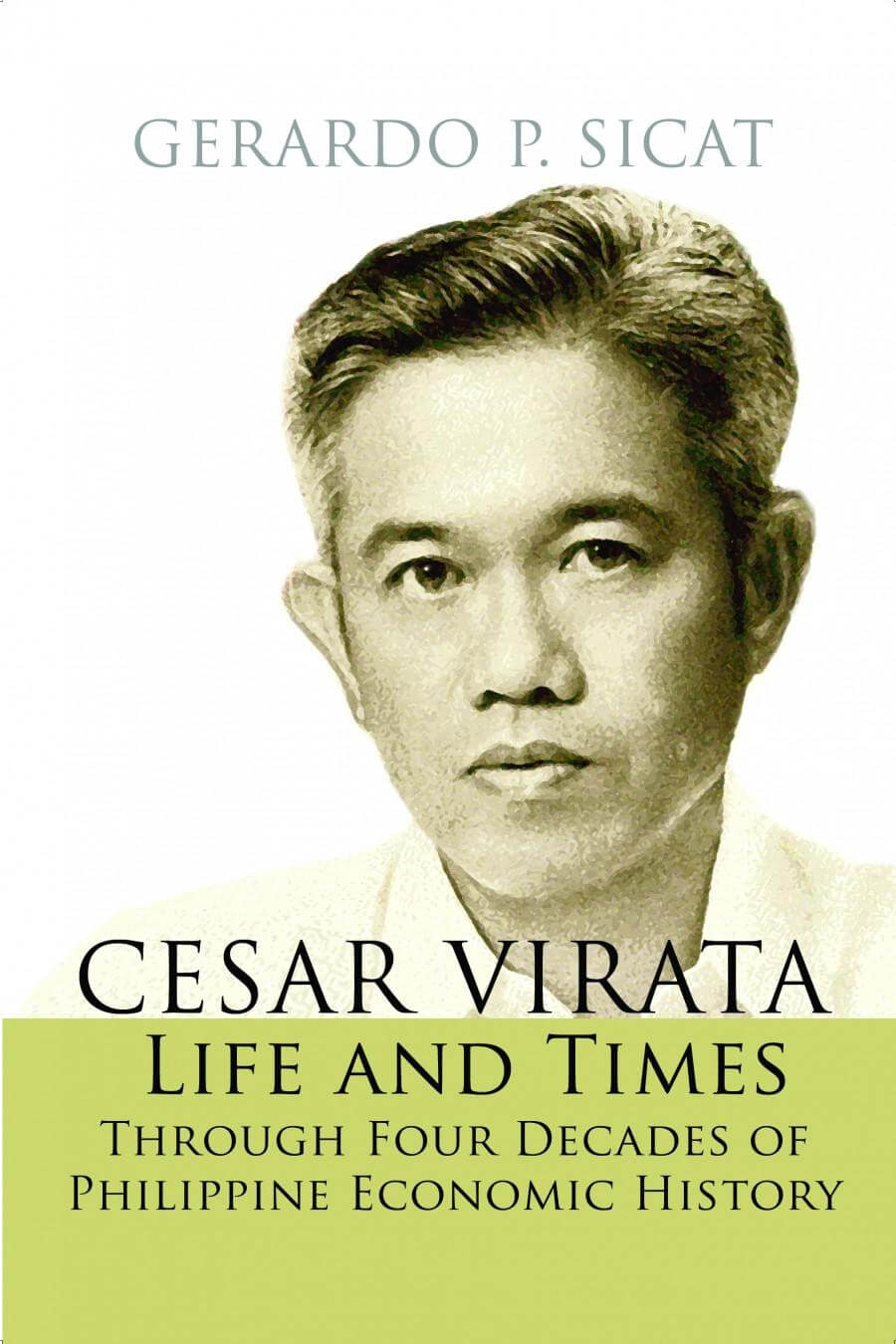
by Dr. Gerardo Sicat
Through the lens of this biography, Gerardo Sicat reexamines four decades of Philippine economic history from the 1960s to the 1990s, their complexities, their circumstances, and their context. Copy of this book is available at the Yuchengco Museum.
July 2014
by Vicente Paqueo, Aniceto Orbeta, Leonardo Lanzona and Dean Dulay
Presentation link. This study proposes a 12-point agenda,conveniently referred to as the Jobs Expansion and Development Initiative (JEDI) for poverty reduction.
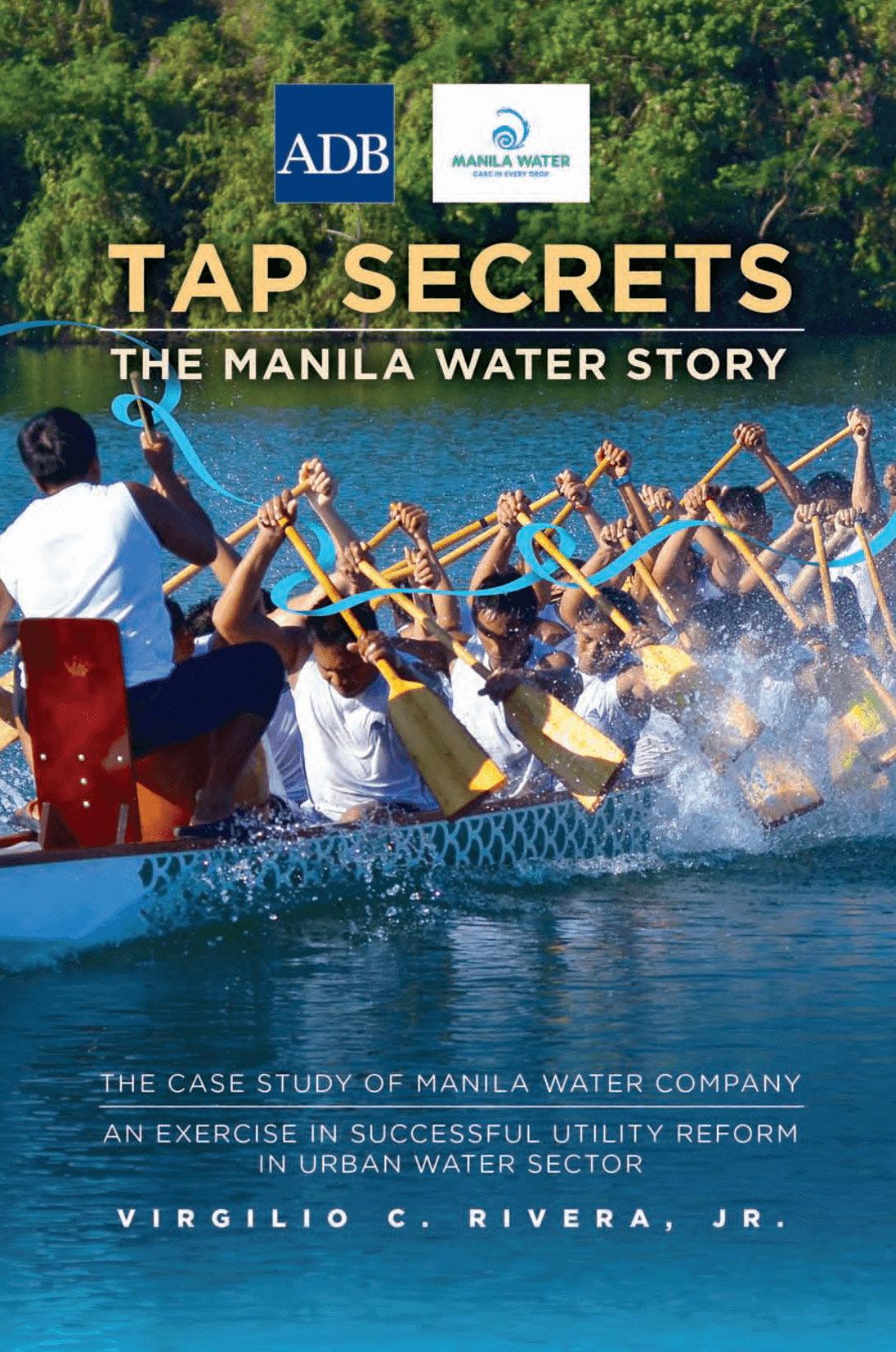
This book tells the story of the Manila Water’s transformation that is anchored on tapping the unlimited potential of underappreciated corporate resources.
February 2014
by Peter L. Wallace
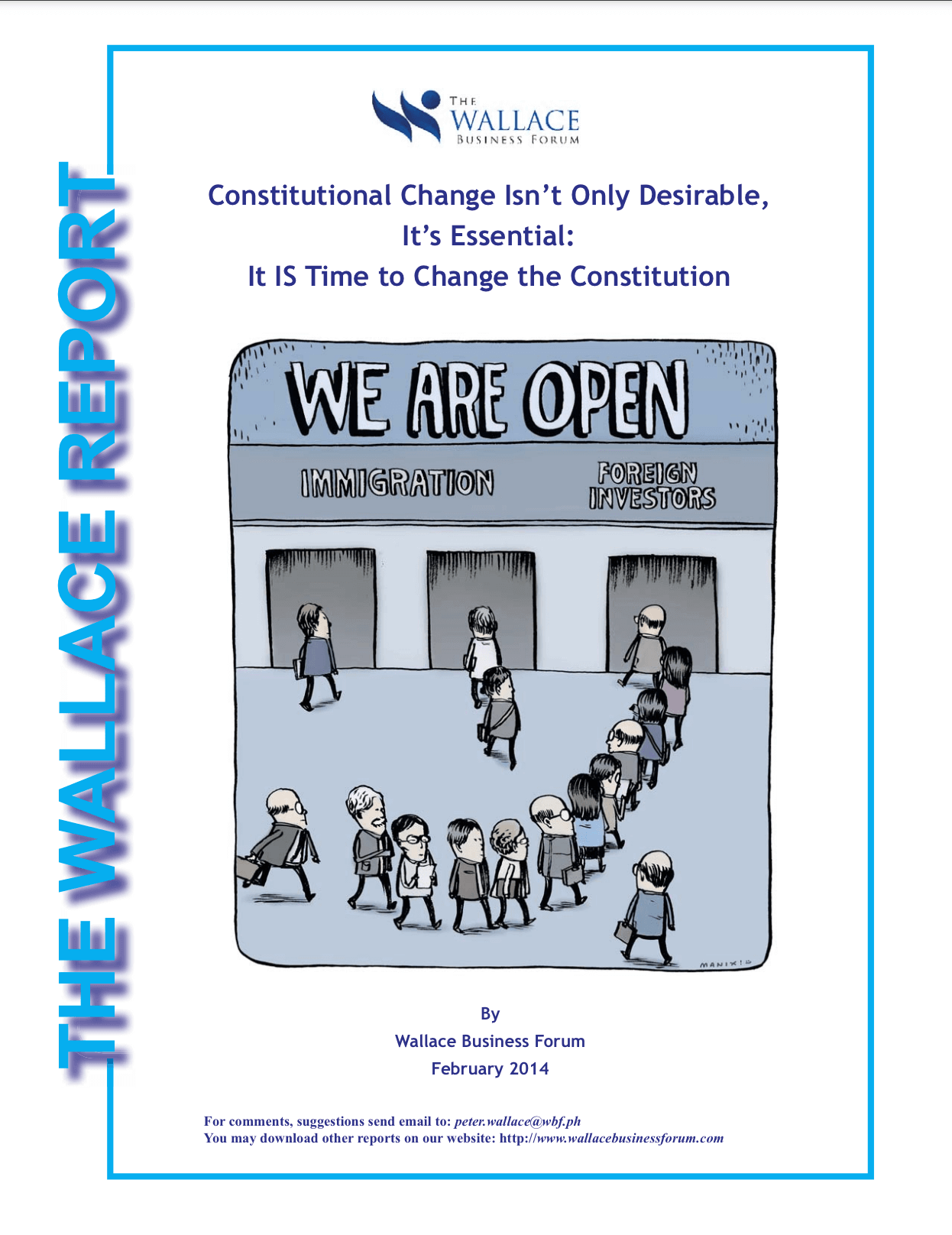
made during the 18 February 2014 hearing of the House Committee on Constitutional Amendments. The report and presentation provide arguments and evidences on why we need to change the restrictive economic provisions of the 1987 Constitution.
The paper argues for the return of the market in rural production: let productive farmers legally cultivate 10 or more hectares as the market dictates; let PSE-registered firms legally operate agro-industrial farms without land ceiling. Poverty reduction requires the shift of resources and manpower from informal to formal sectors. CARP has done the opposite.