
- Home
- Our Story
- Milestones
- Resources
Press Releases
Publications
- Support Us
- Home
- Our Story
- Milestones
- Resources
Press Releases
Publications
- Support Us
- Home
- Our Story
- Milestones
- Resources
Press Releases
Publications
- Support Us
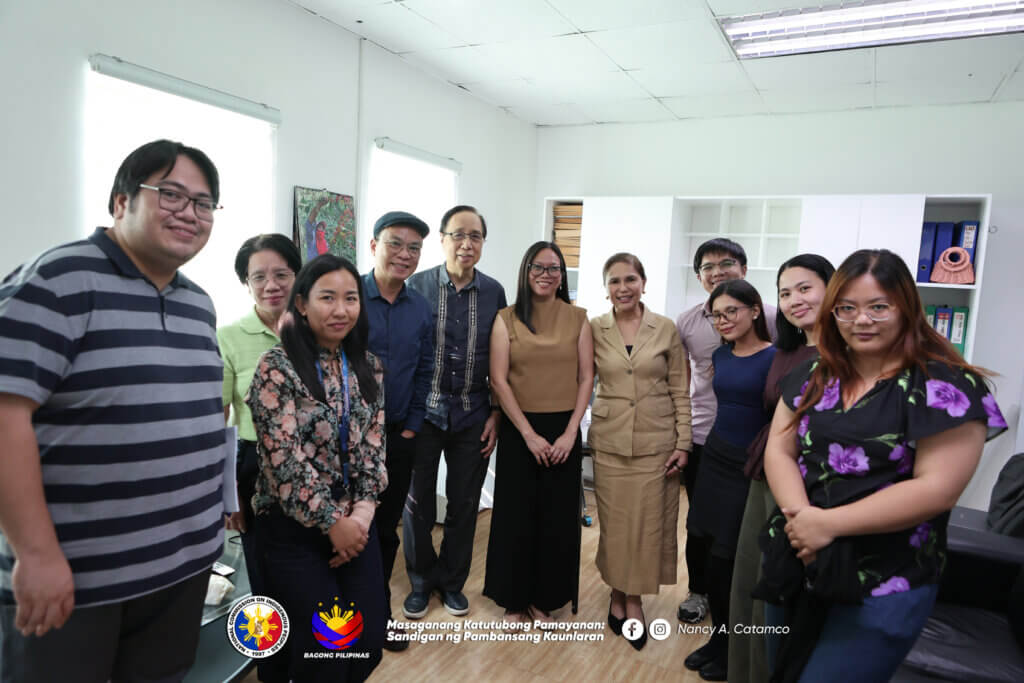
The Foundation for Economic Freedom (FEF) reaffirmed its partnership with the National Commission on Indigenous Peoples (NCIP) during a courtesy visit with newly appointed NCIP Chairperson Secretary Nancy A. Catamco on May 28, 2026, at the NCIP Central Office.
The meeting provided an opportunity for FEF to present its ongoing engagements with NCIP and exchange views on priority issues affecting ancestral domain governance, including ancestral domain surveys, Certificate of Ancestral Domain Title (CADT) registration, emerging opportunities in forest carbon projects, royalty-setting, and institutional capacity-building.
The parties also reaffirmed their existing Memorandum of Cooperation and recognized the importance of sustained technical and policy dialogue as NCIP advances its reform agenda.
FEF briefed Secretary Catamco on efforts to strengthen the capacity of NCIP’s Ancestral Domain Office (ADO) and Regional Offices in conducting ancestral domain surveys.
The discussion included the proposed outsourcing of survey activities to certified Geodetic Engineers, as well as possible bidding procedures, orientation and training, and capacity-building activities for NCIP personnel.
The participants recognized that expanding the pool of qualified technical professionals and improving institutional capacity can help address bottlenecks in ancestral domain surveys and support the efficient processing of applications related to ancestral domain titles.
FEF and NCIP also discussed the potential for future online policy-development sessions that could reach a wider group of NCIP personnel and facilitate broader technical exchanges.
The meeting also discussed the growing interest in forest carbon projects within ancestral domains and the potential opportunities these projects may offer to Indigenous Cultural Communities and Indigenous Peoples (ICCs/IPs).
FEF shared its perspective on carbon forestry as a potential non-extractive economic activity that can contribute to forest protection and restoration while generating employment and long-term income opportunities for communities.
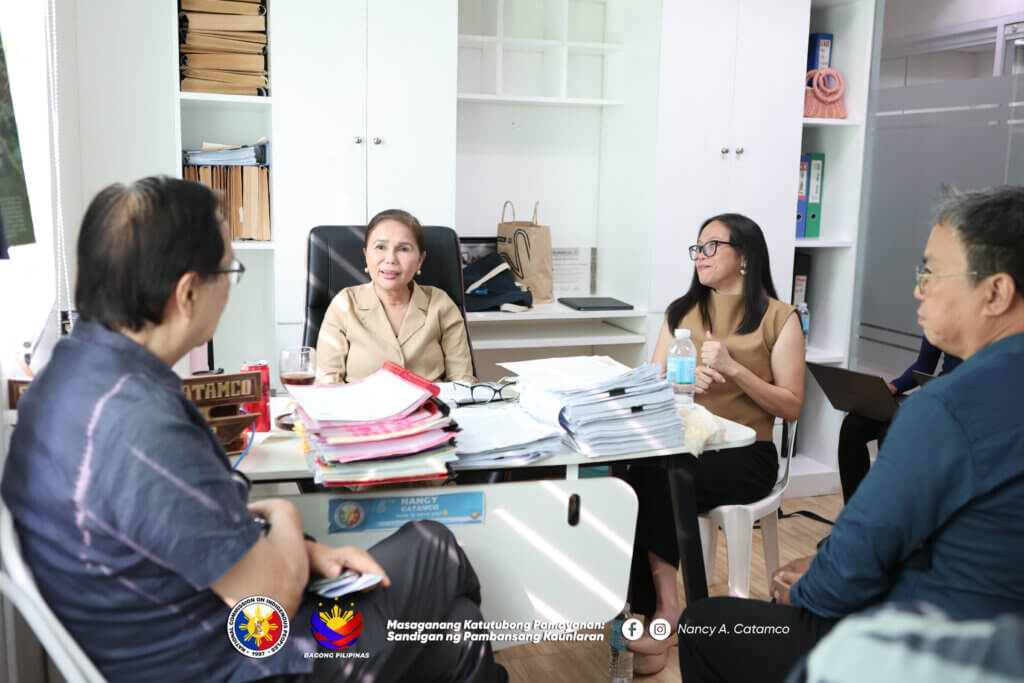
Secretary Catamco welcomed FEF’s offer to help connect NCIP with potential investors and emphasized the importance of ensuring that ICCs/IPs retain meaningful control over their rights and participate in agreements with private-sector partners on fair and transparent terms.
The discussion highlighted the importance of clear and reliable processes for communities and prospective investors as interest in forest carbon projects continues to grow.
Both parties also noted that consistent procedures covering forest carbon projects within ancestral domains can help reduce uncertainty for prospective project partners, strengthen community participation, and ensure that benefit-sharing arrangements remain aligned with the rights and interests of ICCs/IPs.
Governance and fiscal issues affecting projects within ancestral domains were also covered during the meeting.
The chairperson noted the need for clearer and more consistent approaches to negotiating royalties from mining, hydropower, solar, and similar projects, as well as stronger mechanisms for monitoring the distribution and use of project revenues.
Additionally, the participants shared their insights on the potential value of standard agreement templates, baseline parameters for royalty negotiations, and strengthened monitoring mechanisms to promote transparency and accountability in projects involving ancestral domains.
Concerns were also raised regarding potential disputes, community governance challenges, and royalty accounting once significant project revenues begin to flow. FEF supported the importance of strengthening Indigenous Political Structures (IPS) and community-level governance bodies to ensure that communities are equipped to participate meaningfully in decisions affecting their ancestral domains and resources.
To this end, FEF expressed its willingness to continue providing technical and policy support to NCIP on issues within its areas of expertise.
FEF and NCIP also discussed the ongoing challenge of registering CADTs with the Land Registration Authority (LRA).
Currently, only around 30% of issued CADTs have been registered with the Registry of Deeds, with overlapping claims and uncertainty over the treatment of prior vested rights among the factors affecting registration.
The meeting reaffirmed the continuing partnership between FEF and NCIP in advancing reforms that strengthen ancestral domain governance, support the rights and economic opportunities of ICCs/IPs, and improve NCIP’s institutional capacity.
Both organizations recognized that sustained cooperation among government institutions, communities, civil society, and the private sector is essential to creating an enabling environment for responsible economic opportunities in ancestral domains while upholding the rights and interests of ICCs/IPs.
by Ileanah Dayor, Program Coordinator