
- Home
- Our Story
- Milestones
- Resources
Press Releases
Publications
- Support Us
- Home
- Our Story
- Milestones
- Resources
Press Releases
Publications
- Support Us
- Home
- Our Story
- Milestones
- Resources
Press Releases
Publications
- Support Us
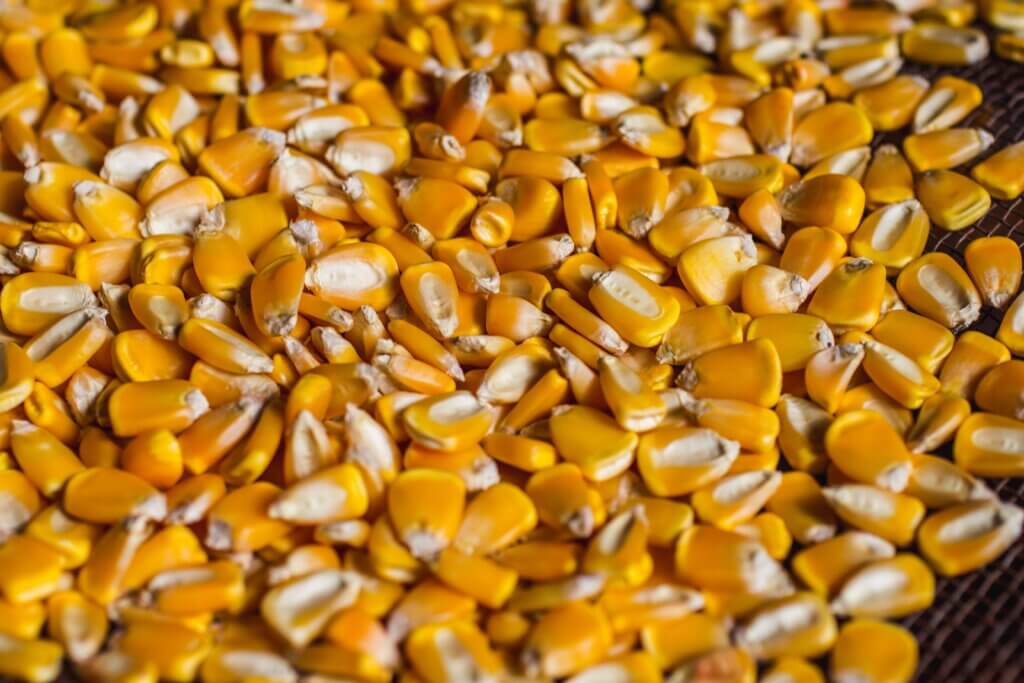
The Foundation for Economic Freedom (FEF) formally filed a Petition before the Tariff Commission seeking to lower the tariff on out-quota corn imports from 15% to 5%, unifying it with the existing 5% in-quota rate under the Minimum Access Volume (MAV) system.
The petition, filed on April 21, 2026, calls for a single, uniform tariff structure to replace the current dual-rate system for corn, which FEF describes as a targeted, evidence-based intervention to cushion the impact of rising food prices on Filipino consumers.
FEF’s petition centers on corn’s significant role in the livestock and poultry value chain. Animal feed accounts for 60% to 70% of production costs in the poultry and swine sectors, and corn makes up 50% to 60% of feed formulations. Because domestic corn production remains insufficient to meet feed manufacturers’ needs, FEF emphasizes that easing access to imported corn will stabilize supply, lower feed input costs, and ultimately translate into more affordable pork, chicken, and egg prices for Filipino households.
FEF’s proposal stands in contrast to the Department of Agriculture’s proposal to instead raise MAV quota levels for corn and other agricultural commodities. FEF cautions that quota-based systems concentrate discretion over who may import and how much, creating conditions vulnerable to rent-seeking, favoritism, and regulatory capture, and that administratively set MAV levels are ill-suited to reflect real-time market conditions. A uniform tariff, FEF contends, offers a more transparent and market-responsive alternative.
Beyond food prices, FEF said the proposed tariff reform could also contribute to improving nutrition outcomes. Citing the EDCOM II report and the DOST-FNRI National Nutrition Survey, FEF notes that children aged 3 to 5 consume roughly 20% less protein than recommended, and that stunting affects 25.3% of children under five, 17% of school-age children, and 20.7% of adolescents nationwide, with long-term consequences for educational outcomes and future employment. FEF maintains that more affordable protein sources, made possible by lower feed costs, can help address this problem and strengthen the country’s human capital base.
FEF emphasizes that the proposed reform is calibrated so as not to unduly harm domestic corn farmers. The organization notes that as tariff revenues rise with increased corn imports, the government can channel these funds into direct subsidies to improve farmer productivity. FEF also points to a broader multiplier effect when lower feed costs strengthen demand for agricultural inputs and support the viability of feed mills, livestock, poultry, and aquaculture producers. This creates room for corn farmers to shift toward more productive, higher value-added agribusiness as the sector evolves.
Citing the ongoing energy crisis and its impact on food prices, FEF is urging the Tariff Commission and the Marcos administration to act on the petition without delay. The organization maintains that unifying the corn tariff at 5% serves the broader public interest and represents an investment in the welfare and dignity of every Filipino family.
Read the full statement here.