
- Home
- Our Story
- Milestones
- Resources
Press Releases
Publications
- Support Us
- Home
- Our Story
- Milestones
- Resources
Press Releases
Publications
- Support Us
- Home
- Our Story
- Milestones
- Resources
Press Releases
Publications
- Support Us
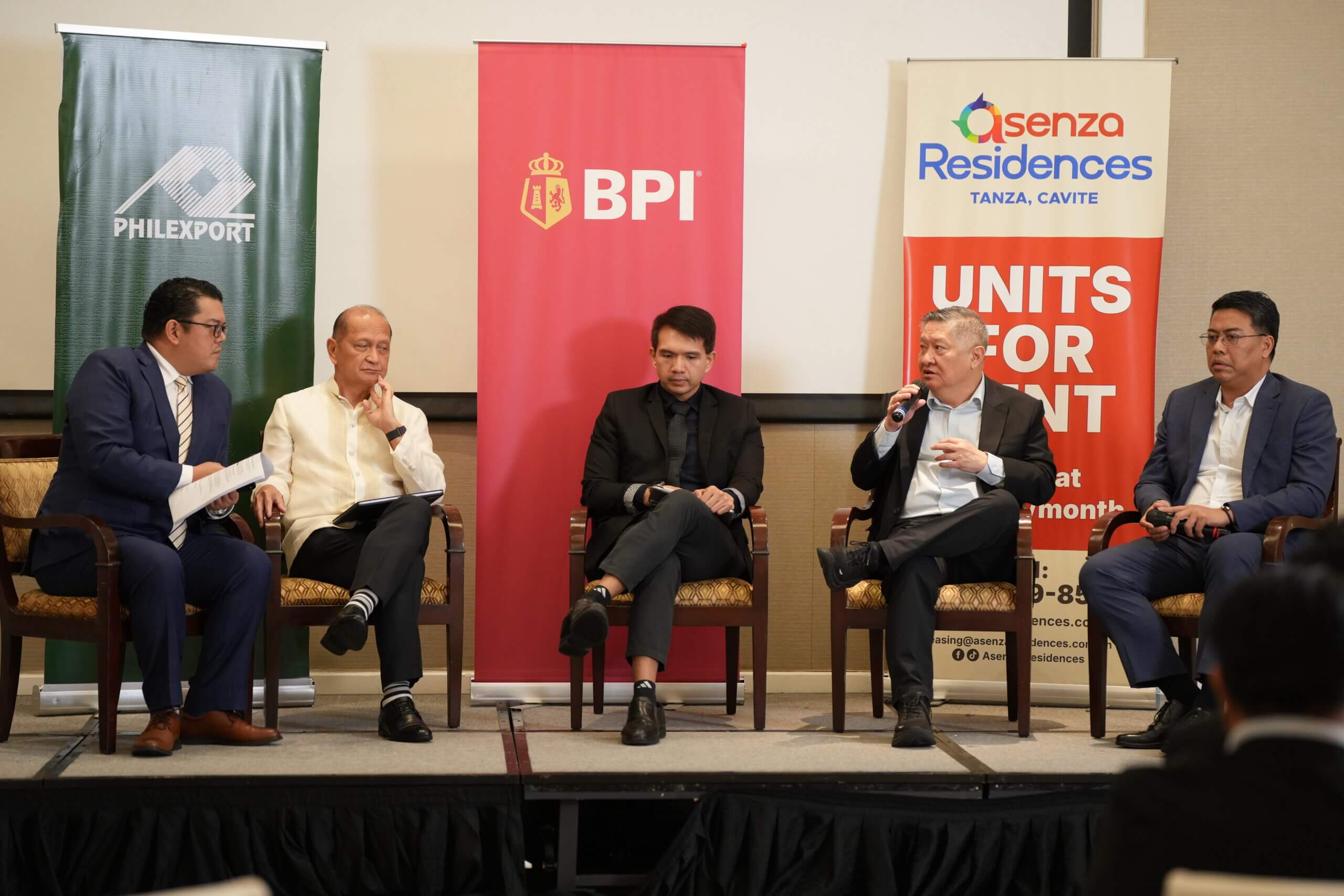
MANILA, Philippines — October 28, 2026. The Foundation for Economic Freedom (FEF) marked its 30th anniversary by convening policymakers, business leaders, and development experts for the 8th Paderanga-Varela Memorial Lecture (PVML), highlighting policy reforms to address the high cost of food and housing faced by Filipino households.
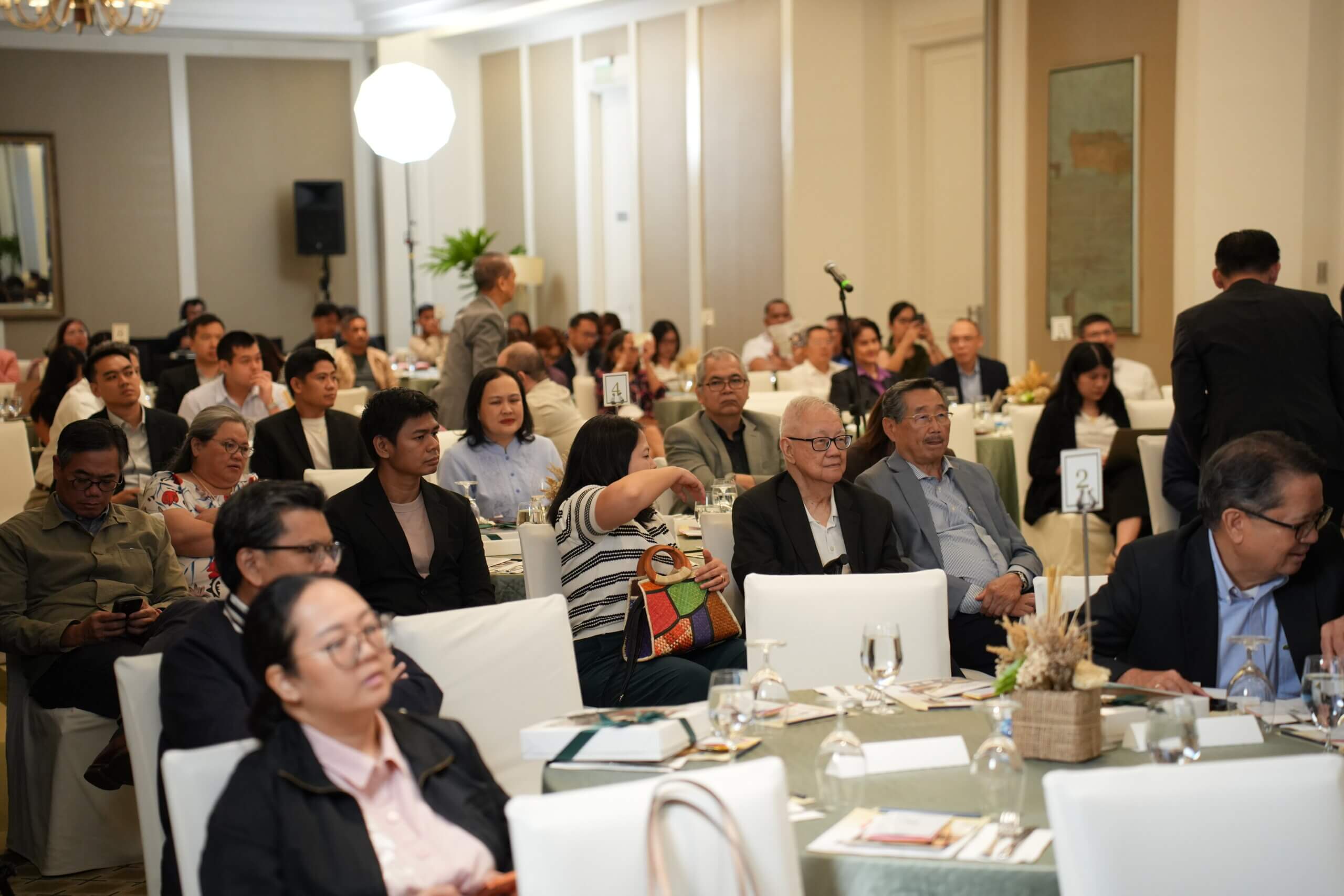
Held at Discovery Primea in Makati City under the theme “Solving the Affordability Crisis: Food and Housing,” the annual lecture examined the structural challenges that keep essential goods and services expensive and explored solutions to improve food security, housing affordability, and household welfare.
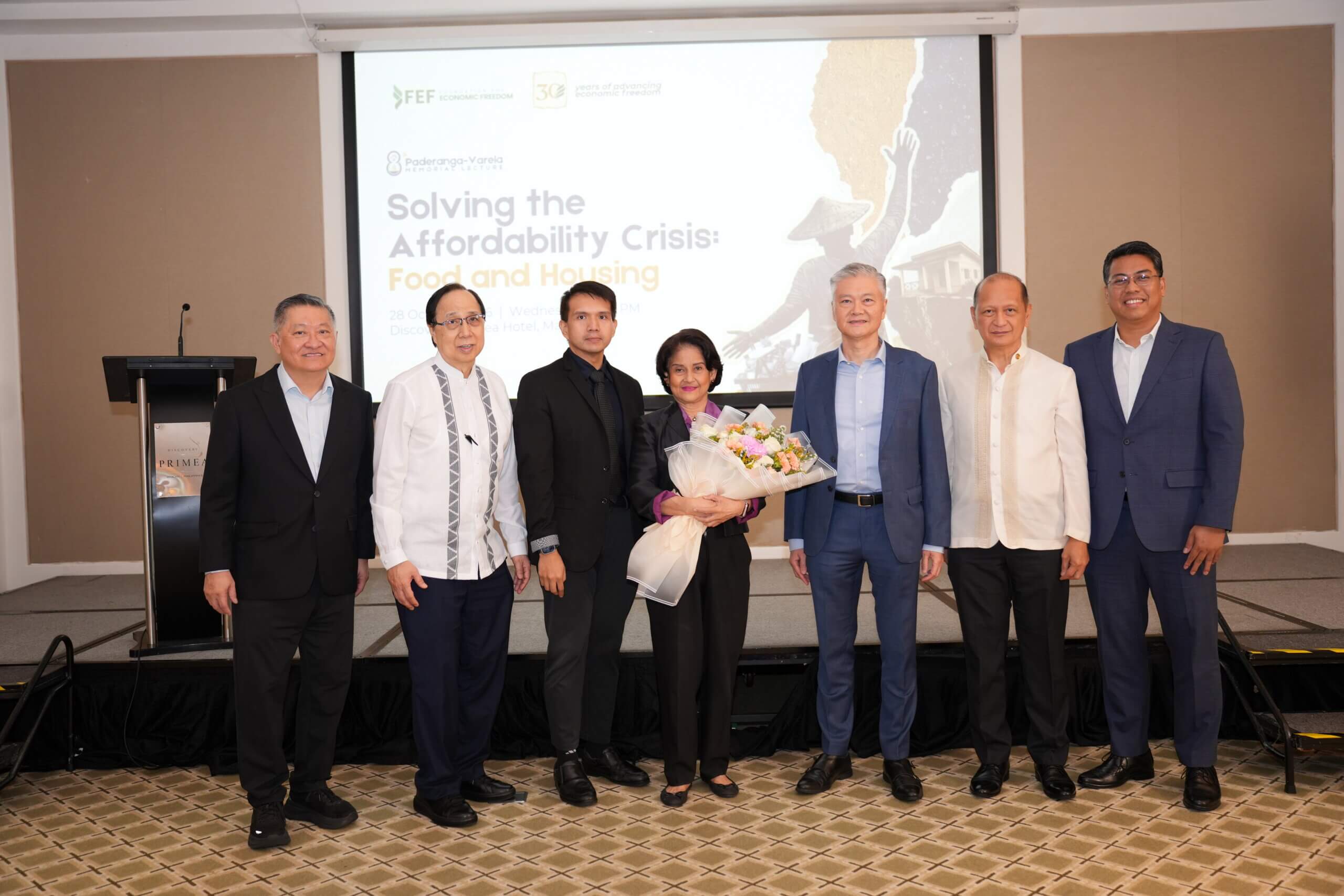
The lecture featured Dr. Karlo Fermin Adriano, Undersecretary of the Department of Finance, who discussed food affordability, and Guillermo Choa, Chairman of Maplecrest Group Inc. (MGI), who presented an integrated approach to housing and community development.
They were joined by discussants Dr. Leocadio Sebastian, Acting President of the Development Academy of the Philippines (DAP), who examined agricultural supply-chain challenges and opportunities to reduce food costs, and Benjamin Felix, Jr., Deputy Chief Executive Officer of Pag-IBIG Fund, who discussed housing financing programs aimed at expanding access to homeownership.
In his presentation, Adriano emphasized that food affordability remains a pressing challenge, particularly for low-income households that devote a larger share of their budgets to food.
Citing September 2026 inflation figures, Adriano reported that inflation among the bottom 30% of income households reached 9.0%, higher than the 7.2% headline inflation rate. Food inflation for these households stood at 9.8%, while rice inflation reached 23.6%.
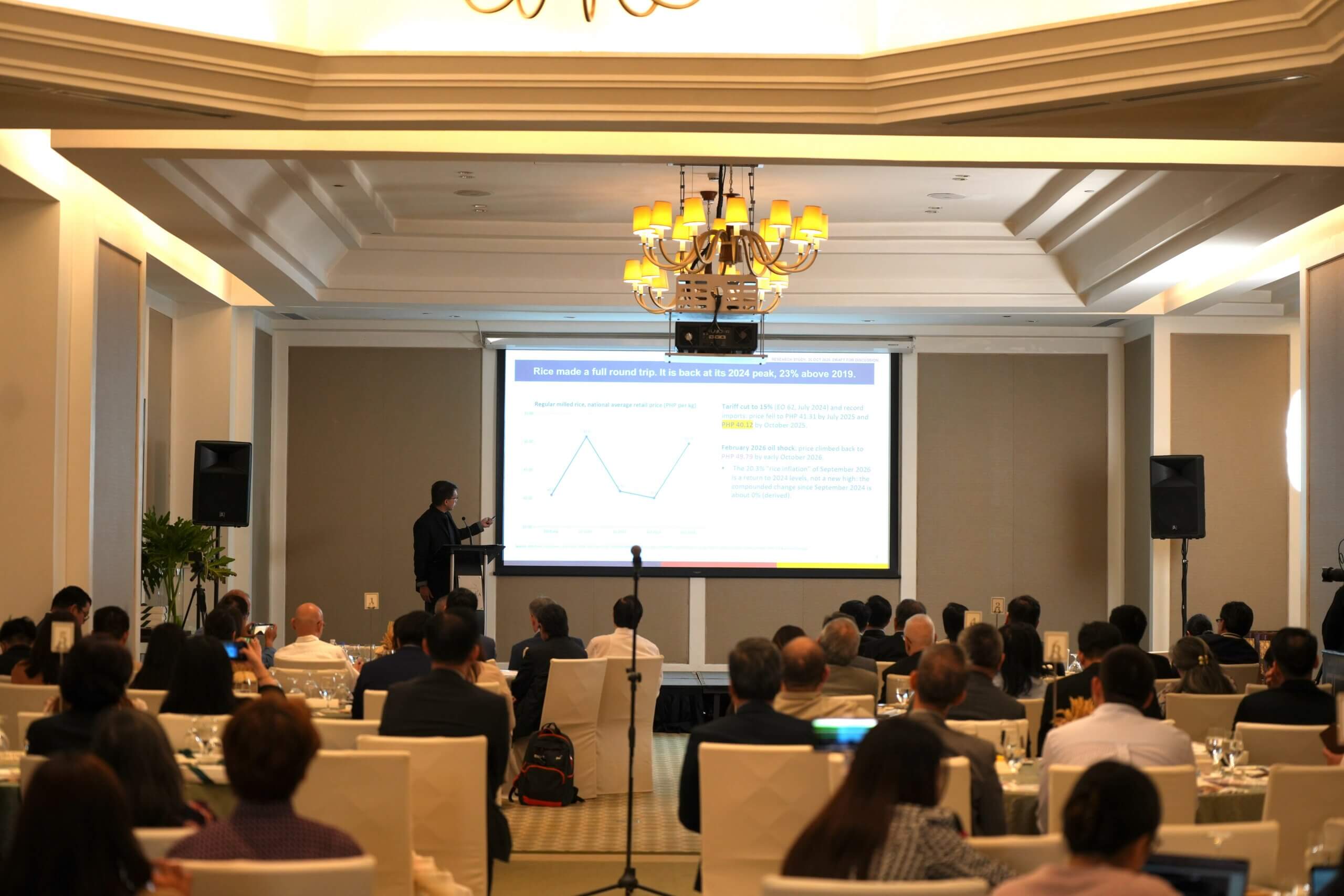
He explained that slower inflation does not necessarily mean lower food prices. The national food consumer price index increased from 100 in 2018 to 132 in 2025, indicating that food prices had risen by approximately one-third over the period.
Regular-milled rice, for instance, averaged ₱49.79 per kilogram in early October 2026, approximately 23% higher than its 2019 average. Beyond rice, the prices of other essential food commodities, including corn, pork, fish, and eggs, have also increased substantially over recent years.
Adriano also highlighted the broader implications of expensive food for nutrition and household welfare. Citing international food security estimates from FAO, World Bank, and World Food Program, he reported that nearly half of all Filipinos (44-47%) could not afford a healthy diet in 2024–2025, while an estimated 32.9% of households (37.8 million) experienced food insecurity.
These pressures are particularly severe for poorer households. Food and non-alcoholic beverages account for approximately 55% of the consumption basket of the bottom 30% of households, compared with about 38% for households overall. Consequently, increases in food prices have a disproportionately large impact on families with limited incomes.
Adriano identified several structural drivers of high food costs, including low agricultural productivity. He used the example of palay, which costs ₱12.41/kg to produce versus ₱6.53/kg in Vietnam due to higher cost of labor and fertilizer, and small average farm size.
The average farm size in the country is less than 1 hectare.
He also cited postharvest losses, inefficient logistics, and supply constraints affecting key commodities. To address these challenges, he proposed a combination of immediate relief and longer-term structural reforms.
In the short term, he emphasized targeted assistance for vulnerable households by augmenting 4Ps grants and clearing 4Ps waitlist. He also called for trade policies that keep imports open and maintain low tariffs, as exemplified by EO 105 on rice and EO 65 on corn and pork, to help stabilize domestic supply and prices.
Over the medium and long term, he called for investments in postharvest and cold-chain facilities, irrigation, agricultural research and extension, and infrastructure. He also highlighted the importance of improving agricultural productivity, strengthening supply chains, and encouraging greater private-sector participation.
The proposed reforms aim not only to moderate food prices but also to improve the availability and accessibility of nutritious food for Filipino households.
Building on the discussion, Sebastian emphasized that food affordability must be addressed across the entire food system, from production and processing to distribution and consumption.
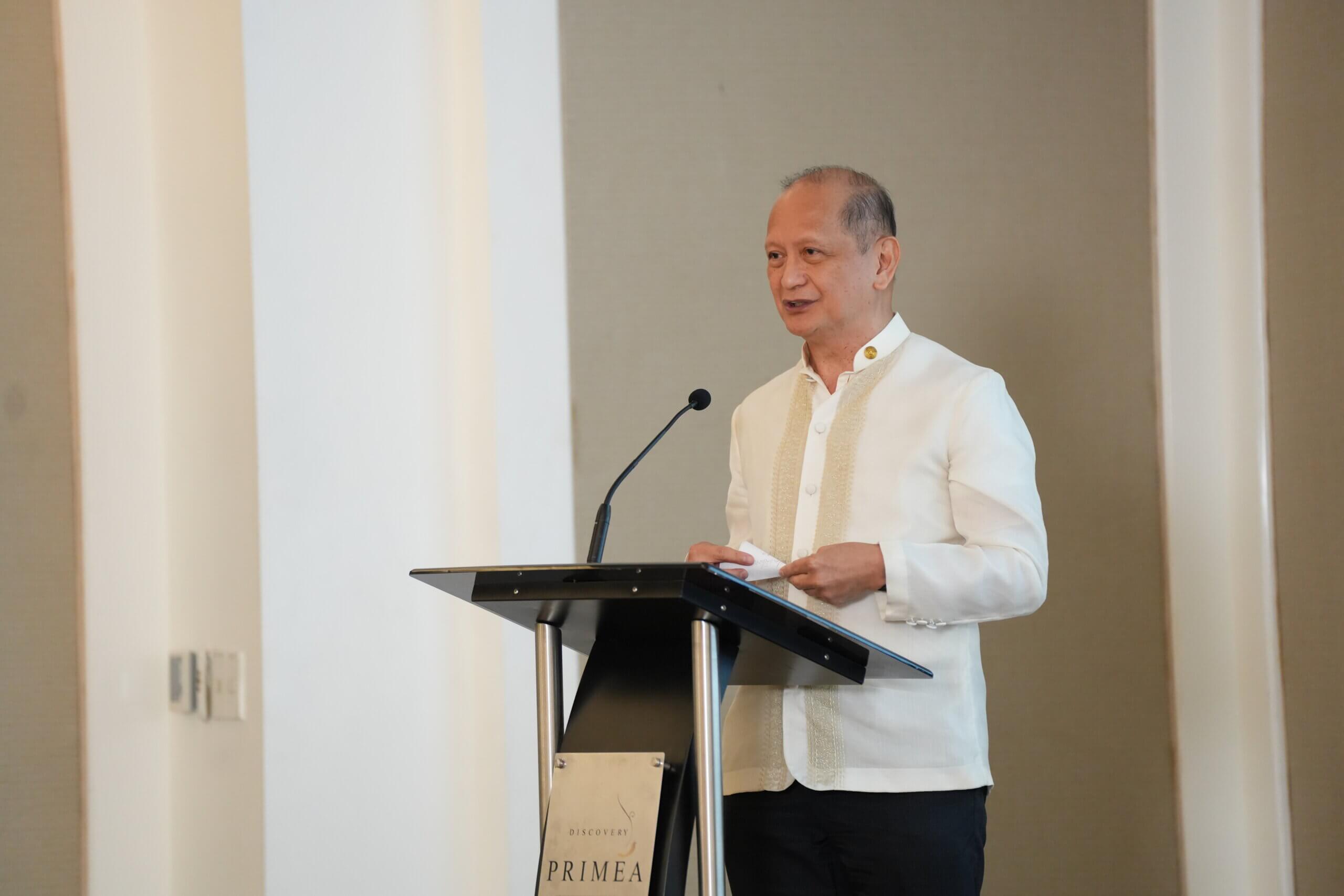
His presentation identified structural bottlenecks in agricultural value chains, including limited mechanization, inadequate irrigation, high input costs, weak cold-chain capacity, postharvest spoilage, and expensive inter-island transportation.
He proposed three approaches to improving food affordability that deserve greater policy attention: pursuing “peri-urban” production, expanding agricultural production near urban centers, promoting off-season production, and diversifying production locations across regions.
The peri-urban production approach means that farming and production of perishable vegetables are located in the transitional zone directly surrounding cities or urban centers.
Sebastian explains that this shortens the supply chain between producers and consumers, which reduces transportation, handling, spoilage, and intermediary costs, while improving the availability of fresh produce.
Using the example of Metro Manila, Sebastian identified Bulacan, Rizal, Laguna, and Cavite as potential sites of vegetable production.
Sebastian also proposed greater use of protected cultivation, including greenhouses, rain shelters, and net houses, to expand the production of seasonally expensive vegetables such as tomatoes, onions, and garlic.
Finally, he emphasized the importance of taking advantage of regional differences in climate and growing seasons to maintain more stable food supplies throughout the year.
His presentation reinforced the distinction between food security and food self-sufficiency, highlighting the importance of improving domestic productivity and competitiveness while allowing imports to supplement local supply when necessary.
Turning to housing, Choa argued that affordability should be assessed not only in terms of housing prices or monthly payments but also in relation to transportation, food, employment, and other essential household expenses.
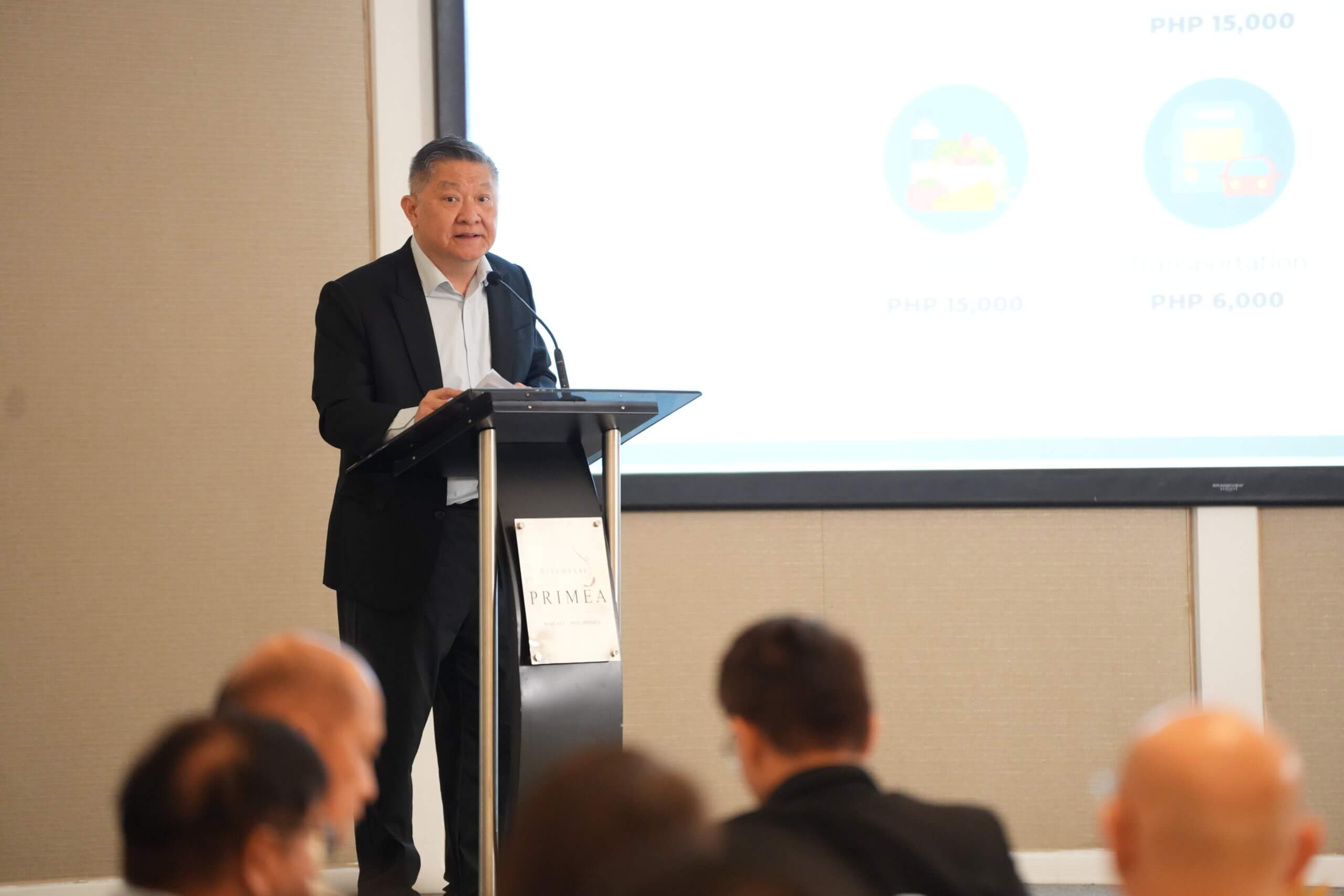
Using the example of a Metro Manila family earning ₱30,000 per month, Choa illustrated how a four-hour daily commute could result in significant lost productive time. His presentation placed the illustrative opportunity cost of this lost time at ₱15,000 per month, highlighting the economic burden of long commutes.
“The economics for the common man do not work anymore,” Choa said.
To bridge the affordability gap, Choa presented MGI’s integrated community-development model, which seeks to bring housing, food, water supply, education, transportation, employment, and recreation closer together.
Rather than treating affordable housing as a standalone concern, the approach seeks to reduce the combined cost of essential goods and services while improving residents’ access to jobs and economic opportunities.
Among the examples presented were housing options with monthly payments as low as ₱3,500 and meals starting at ₱50. These figures were presented as components of MGI’s proposed affordability “ecosystem”.
Choa also outlined a transportation approach for communities in Cavite involving service-contracted trips, dedicated lanes, coordinated transport services, and multimodal payment systems.
The model emphasizes predictable and efficient mobility as an important component of affordable living, particularly for workers who otherwise spend substantial time and money traveling between their homes and workplaces.
Through integrated community planning, Choa explained that developers, local governments, and transport providers could work together to make housing more accessible while reducing the broader cost of living for Filipino families.
The discussion also examined the role of housing finance in helping more Filipino families achieve homeownership.
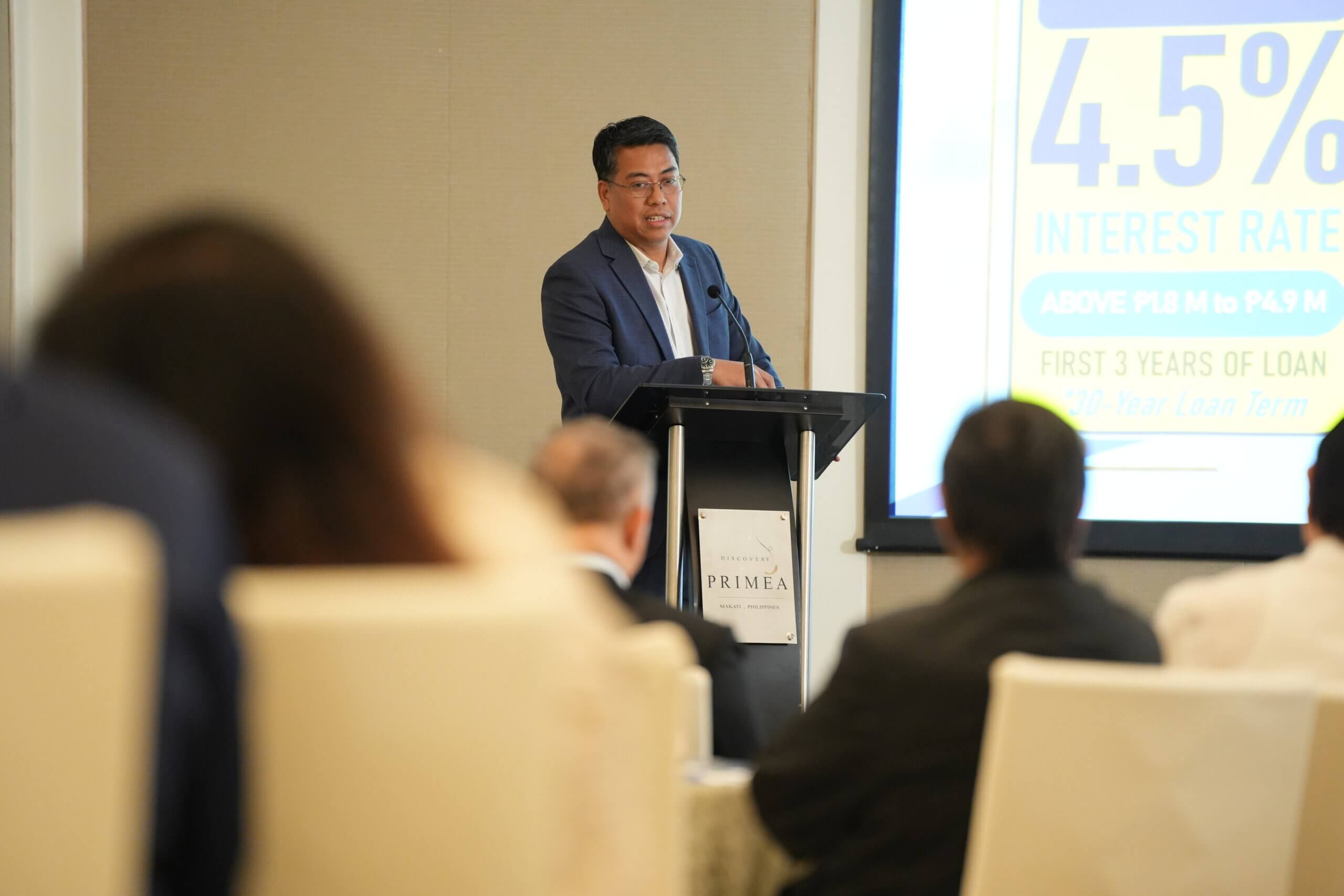
Felix presented Pag-IBIG Fund’s efforts to expand access to housing through lower interest rates, financing assistance, and partnerships with private developers, particularly under the Expanded Pambansang Pabahay para sa Pilipino (4PH) Program.
He highlighted that, under the Expanded 4PH Program, eligible borrowers of socialized housing loans may avail themselves of a subsidized interest rate of 3% during the first five years of their loan.
According to his presentation, a ₱600,000 housing loan would require a monthly amortization of approximately ₱2,530, compared with ₱3,829 under the regular housing loan rate of 6.25%. This represents potential savings of around ₱1,299 per month for qualified borrowers.
He also outlined promotional financing rates for other housing segments. For low-cost housing loans above ₱1.8 million up to ₱4.9 million, Pag-IBIG Fund offered a 4.5% interest rate during the first three years. For open-market housing loans above ₱4.9 million up to ₱10 million, the promotional rate was 5.75% for the same period. These promotional rates were indicated as available until December 31, 2026, subject to program qualifications and loan terms.
Beyond reducing borrowing costs, Felix highlighted Pag-IBIG Fund’s efforts to strengthen housing supply through financing and partnerships with private developers. His presentation identified partnerships with major property developers, including SM Development Corporation, Megawide, DMCI, Federal Land, and Megaworld, as part of efforts to expand housing opportunities.
Felix also presented the Fund’s Expanded 4PH Online Sign-Up Facility, which connects prospective homebuyers with participating housing projects and simplifies the initial process of accessing homeownership opportunities.
The Paderanga-Varela Memorial Lecture (PVML) is an annual lecture that aims to engage and educate main stakeholders on some of the key issues facing our country today. PVML started in 2016 in celebration of FEF’s 20th anniversary and to honor its late co-founders former education undersecretary Francisco Varela and former socioeconomic planning secretary Cayetano Paderanga, Jr.
You may access the presentations here.